No‑Code Mobile Audits That Keep Aisles, Racks, and Staging Zones Flowing
Step onto the floor with confidence as no‑code mobile audits streamline aisle, rack, and staging area occupancy checks in real time. Build flexible checklists, capture photos, scan barcodes, and flag congestion before it becomes costly. Teams stay aligned through clear scores, instant alerts, and practical insights that reduce risk, protect clearances, and unlock reliable throughput without slowing operations or waiting on developers.

From Congestion to Flow: Seeing the Floor Clearly

Small blockages become hour‑long delays when they hide in plain sight. By documenting occupancy in aisles, racks, and staging zones, teams reveal friction points early, capture photos for context, and standardize follow‑ups. Flow stabilizes because actions are prioritized, measurable, and shared, ensuring no department silently pushes problems downstream while productivity quietly bleeds away at shift change.

Protect Clearances Before They Turn Into Incidents

Clearance lines, fire lanes, and emergency access are non‑negotiable, yet pressure peaks can blur judgment. Mobile audits prompt verification of walkway widths, end‑of‑aisle visibility, and staging spillover. With automatic timestamps and evidence, leaders correct hazards fast, coach respectfully, and sustain a culture where safety is proactive, not reactive, strengthening morale while reducing claims and unplanned shutdowns.

Utilization Without Guesswork or Endless Debates

Capacity conversations often become debates colored by anecdote. Audited occupancy replaces opinions with photos, counts, and trend lines, making trade‑offs explicit. Whether reallocating staging zones ahead of peak or revising putaway rules, decisions are grounded in repeatable observations, not memories from the busiest day of last year. Everyone can see why changes work and when to adjust again.

Build Powerful Checklists Without Writing a Single Line

Design audit forms for aisles, racks, and staging zones using drag‑and‑drop fields, conditional questions, and required photo prompts. Customize thresholds, ownership, and guidance text so new associates capture the same quality as veterans. As your floor evolves, update questions instantly, deploy to every device, and eliminate the back‑and‑forth usually needed to spec, code, test, and maintain custom tools.

Conditional Logic That Guides Busy Associates

Keep audits fast by only showing what matters. If a lane is obstructed, trigger photo requirements, select responsible area, and auto‑assign severity. If a rack is underfilled, reveal checks for replenishment timing. Conditional flows reduce friction, remove ambiguity in high‑noise environments, and help teams capture precise detail quickly, even during peak hours when attention is scarce and seconds matter.

Photo, Barcode, and Measurement Prompts That Capture Truth

Require photos at critical points, scan location labels or rack barcodes to anchor observations, and guide measurements with on‑screen hints. Prompts ensure consistent framing, highlight clearance markers, and nudge users to capture angles that make issues unmistakable. With visual proof and exact locations, supervisors resolve disputes quickly, coach effectively, and avoid long email threads reconstructing what really happened.

Reusable Templates for Aisles, Racks, and Staging Variants

Create one baseline checklist, then clone variants for narrow aisles, high‑density racks, bulk staging, or cross‑dock zones. Standard fields remain consistent while instructions adapt per area. This speeds rollout, preserves data consistency, and allows benchmarking across layouts. As improvements land, update the master once, cascade changes everywhere, and keep continuous improvement humming without version‑control confusion.

Capture Data Exactly Where Work Happens

QR and NFC Anchors Provide Location Certainty

Attach QR or NFC tags to aisle ends, rack bays, and staging lanes so every audit starts at the right place. Scans pull up the correct checklist instantly, reducing selection errors and speeding execution. Location certainty builds trust in analytics, eliminates misfiled reports, and ensures daily scoring reflects reality on the ground rather than guesswork from hurried dropdown choices.

Offline‑First Reliability in Tough Wi‑Fi Conditions

Concrete walls and forklifts don’t care about signal strength. Offline‑first capture keeps audits moving during spotty coverage, storing photos and responses locally until reconnect. Associates never pause mid‑check, and supervisors stop juggling paper backups. Sync conflict handling preserves data integrity, while subtle status indicators reassure users that nothing gets lost when connectivity flickers at the worst moment.

Timestamps, Users, and Geotags Build Trust Instantly

Every entry includes who performed the check, the exact time, and optional geotagging. This provenance discourages shortcuts, supports coaching, and satisfies compliance reviews without additional paperwork. When trends appear—like recurring end‑of‑shift overflows—teams respond with targeted changes, not blanket policies. Trust in the data means decisions stick, and improvements survive staffing changes or seasonal turbulence.

Scoring, Compliance, and Alerts That Trigger Timely Action

Define pass thresholds for aisle clearance, rack fill windows, and staging dwell times. Weighted scores summarize conditions at a glance while exceptions route to the right owner with photos attached. Set auto‑alerts for blocked walkways, overfull racks, or staging queues approaching limits, ensuring interventions are timely, traceable, and measured, not dependent on who happens to walk by first.

Clear, Weighted Scores Everyone Understands

Scores convert dozens of checks into a single, fair signal. Weight critical safety items higher than cosmetic tidiness, so teams focus on what truly matters. Historical trends reveal whether coaching works, seasonal pressure shifts risk, or new layouts help. When everyone trusts the score, conversations become constructive, not defensive, accelerating accountability and continuous improvement across shifts and sites.

Compliance That Supports People, Not Punishes Them

Regulations and site rules protect lives and equipment, but tools must guide rather than intimidate. Contextual hints remind associates of clearance standards, staging time limits, and rack capacity markers. When issues occur, respectful prompts suggest fixes and ownership. Compliance becomes a supportive ritual embedded in daily work, building confidence while quietly reducing insurance exposure and regulatory scrutiny.

Instant Notifications With Evidence, Not Noise

Alert fatigue kills urgency. Route only high‑priority exceptions to supervisors with annotated photos, location tags, and severity. Lower‑priority items compile into shift‑end summaries for planned resolution. This balance preserves attention when safety matters, prevents overreaction to minor issues, and ensures critical bottlenecks—like staging overflow or blocked crosswalks—receive immediate, well‑informed responses that actually clear the floor.

Heatmaps Reveal Where Space Quietly Disappears
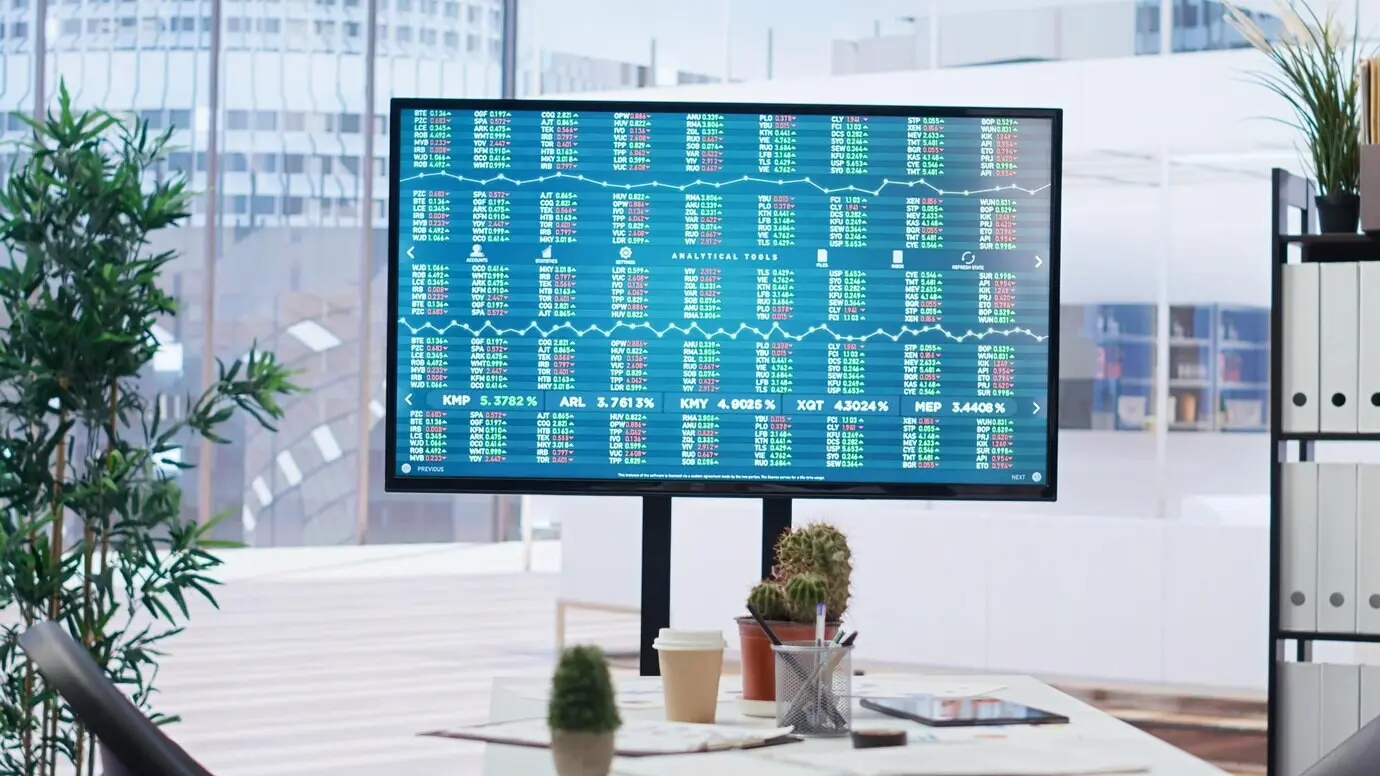
Visualize recurring blockages at endcaps, pack‑out lanes, or the first bays near inbound. Hotspots often reflect shortcuts, layout quirks, or unclear ownership. By pairing photos with frequency data, you plan targeted trials instead of broad mandates. Teams appreciate solving the right problem once rather than chasing symptoms endlessly, and morale improves as clutter finally stops bouncing between departments.

Pareto Focus Keeps Effort Where It Pays Off

Not every issue deserves a project. Rank occupancy exceptions by impact on safety and throughput, then attack the few that cause most delays. Small, disciplined sprints—like relocating high‑velocity SKUs or adjusting staging lane labels—deliver outsized wins. Highlight measurable gains in daily standups to reinforce momentum, celebrate teamwork, and encourage associates to keep reporting what they notice first.

Connect Systems and Automations Without Developers

Send exceptions to chat, update spreadsheets, and push summaries to dashboards using out‑of‑the‑box connectors. Sync identifiers with your WMS to align rack bays, zones, and SKU groups without custom code. Simple automations close the loop: alerts reach owners, follow‑ups get scheduled, and weekly digests land in inboxes so nothing slips, even when priorities collide during peak season.

Real‑Time Collaboration in the Tools Teams Already Use

Post critical occupancy exceptions into team channels with photos, severity, and direct links. Supervisors acknowledge, assign, and close issues without switching systems. This reduces email lag, makes accountability visible, and helps night shifts inherit clear context. When collaboration is seamless, corrective actions happen faster, and insights from one incident inform better habits across the entire operation.

Keep Your WMS and Inventory Records in Sync

Map aisle, rack, and staging identifiers to existing locations so audit results enrich operational data. Update notes on constrained zones, temporarily block risky bays, or trigger replenishment tasks based on underfill findings. Because the connection is no‑code, changes are quick to test, reversible if needed, and far cheaper than traditional middleware projects that miss the next peak entirely.

Dashboards That Speak to Operators and Executives

Summarize occupancy scores, exception rates, and average resolve times for quick daily huddles. Add trend views and cost‑of‑delay estimates for leadership. When everyone sees the same picture, priorities align naturally, and approvals follow facts. Accessibility keeps curiosity alive, encouraging associates to propose improvements and executives to sponsor experiments that compound small wins into durable, measurable performance gains.

Micro‑Lessons That Respect the Pace of Work

Replace long presentations with five‑minute modules covering a single behavior—like verifying endcap clearances or capturing staging timestamps. Practice on real routes, not empty classrooms, so tips stick. Keep modules searchable on devices for quick refreshers. The goal is confidence and consistency, not perfection, making audits a supportive tool that speeds work rather than a chore that slows everyone down.

Champions Who Model and Improve the Process

Recruit respected operators as champions to pilot checklists, surface friction, and mentor peers. Their credibility accelerates adoption and uncovers tiny enhancements—wording tweaks, photo examples, or better prompts—that dramatically improve results. When frontline pros help shape the process, audits evolve with reality, not policy fantasies, and leadership hears practical feedback before small problems become entrenched habits.

Recognition That Reinforces the Right Behaviors

Highlight teams that reduce staging dwell times or maintain spotless clearances during peak. Share quick shout‑outs with photos and metrics. Recognition turns quality into a social norm, not a secret report. As people see wins tied to safety, speed, and pride, participation climbs, audit quality stays high, and continuous improvement becomes the easiest story to tell every shift.
Rerazatunetitalitizefu
Privacy Overview

This website uses cookies so that we can provide you with the best user experience possible. Cookie information is stored in your browser and performs functions such as recognising you when you return to our website and helping our team to understand which sections of the website you find most interesting and useful.